
Maintaining a lush, green lawn requires more than regular mowing and watering. One often overlooked but essential practice is lawn aeration. This process involves perforating the soil, allowing air, water, and nutrients to penetrate the grass roots. Understanding the science behind lawn aeration can help homeowners make informed decisions about their lawn care routines.
Aeration addresses soil compaction, which occurs when soil particles are pressed together, reducing pore space and limiting the movement of air, water, and nutrients. Compacted soil hinders root growth and can lead to declining lawn health. Regular aeration is especially beneficial in areas with heavy foot traffic or clay soils, which are more prone to compaction.
Understanding Soil Compaction and Its Effects
Soil compaction is a common issue that negatively impacts lawn health. When soil becomes compacted, it restricts the flow of air, water, and nutrients to the grass roots. This limitation can lead to shallow root systems, increased susceptibility to drought, and poor grass growth. Compacted soil also impedes the infiltration of water, causing runoff and reducing the effectiveness of irrigation.
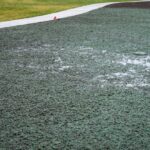
Several factors contribute to soil compaction, including heavy foot traffic, the use of heavy machinery, and natural settling over time. Lawns with clay soils are particularly susceptible due to the small particle size and density of clay. Regular walking, playing, or mowing can exacerbate compaction, especially when the soil is wet. Recognizing the signs of compaction, such as water pooling and thin grass, is crucial for timely intervention.
Addressing soil compaction through aeration involves creating small holes in the lawn to relieve pressure and improve soil structure. This process enhances the movement of air, water, and nutrients, fostering a healthier root environment. Over time, aeration can lead to a more resilient and robust lawn, capable of withstanding environmental stresses. Implementing aeration as part of a regular lawn care regimen is essential for maintaining optimal soil conditions.
Methods of Lawn Aeration
There are two primary methods of lawn aeration: core aeration and spike aeration. Core aeration involves removing small plugs of soil from the lawn, creating space for air, water, and nutrients to reach the roots. This method is highly effective in alleviating soil compaction and is recommended for lawns with heavy clay soils. The removed soil cores can be left on the lawn to decompose and return nutrients to the soil.

On the other hand, spike aeration uses solid tines or spikes to puncture the soil without removing any material. While this method can temporarily relieve compaction, it may contribute to further compaction over time by pressing soil particles together. Spike aeration is more suitable for sandy or loamy soils less prone to compaction. The appropriate aeration method depends on soil type, lawn condition, and specific lawn care goals.
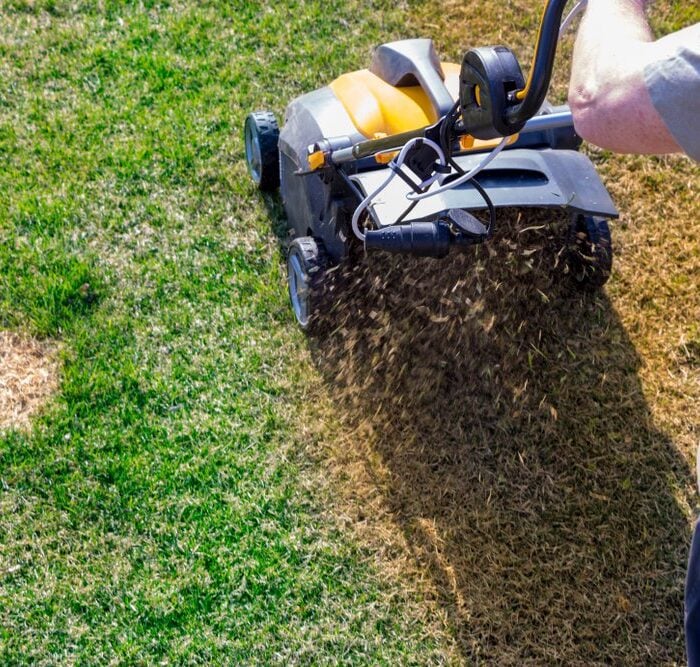
Manual aeration tools, such as handheld aerators or aerator shoes, are available for small lawns or spot treatments. Mechanical aerators can efficiently cover more ground for larger areas and provide consistent results. Professional care services often utilize specialized equipment to perform aeration quickly and effectively. Regardless of the method chosen, proper timing and technique are essential for maximizing the benefits of aeration.
Optimal Timing for Lawn Aeration
The timing of lawn aeration plays a significant role in its effectiveness. Cool-season grasses common in Toledo, Ohio, such as Kentucky bluegrass and fescue, are best aerated in early spring and fall. During these periods, grass is actively growing, allowing it to recover quickly from the aeration process. Aerating during peak growing seasons ensures that the lawn can heal and fill any open areas created by the aeration.

Aerating in the fall helps prepare the lawn for winter by promoting root growth and enhancing nutrient uptake. Spring aeration assists in alleviating soil compaction caused by winter conditions and sets the stage for healthy growth during the warmer months. Avoid aerating during periods of drought or extreme heat, as the lawn may struggle to recover under stress. Similarly, aerating when the soil is excessively wet can lead to further compaction and damage to the lawn.
Assessing your lawn’s specific needs, including soil type, grass species, and usage patterns, can help determine the most appropriate timing for aeration. Regular monitoring and maintenance are key to identifying the optimal schedule for your lawn's unique conditions. Consulting with lawn care professionals can provide valuable insights and recommendations tailored to your property's requirements. Implementing aeration at the right time enhances its benefits and contributes to a healthier, more vibrant lawn.
Benefits of Regular Lawn Aeration
Regular lawn aeration offers numerous advantages that contribute to your lawn's overall health and appearance. By alleviating soil compaction, aeration enhances the movement of air, water, and nutrients to the grass roots, promoting deeper root growth and increased resilience. A well-aerated lawn is better equipped to withstand environmental stresses like drought, heat, and heavy foot traffic. Improved root systems also lead to thicker, more robust turf that can outcompete weeds and resist pests and diseases.
Aeration also facilitates better water infiltration and reduces runoff, making irrigation more efficient and conserving water resources. Enhanced nutrient uptake through aeration supports healthier grass growth and can improve the effectiveness of fertilization programs. Additionally, aeration helps break down thatch layers, preventing the accumulation of organic matter that can harbor pests and diseases. Incorporating aeration into your lawn care routine is a proactive measure that yields long-term benefits for your lawn's vitality and sustainability.
Regular aeration is particularly beneficial for homeowners in the Toledo area, where clay soils and seasonal weather patterns can pose challenges. A consistent aeration schedule tailored to your lawn's specific needs can lead to noticeable lawn health and appearance improvements. Partnering with experienced lawn care professionals ensures that aeration is performed correctly and optimally for maximum effectiveness. Investing in regular aeration is a cost-effective strategy for maintaining a beautiful and resilient lawn.
Work With Lawn Care Professionals for Your Home
Understanding the science behind lawn aeration empowers homeowners to make informed decisions about their lawn care practices. Regular aeration, tailored to your lawn's specific conditions and needs, can significantly improve turf quality and resilience. For expert assistance in implementing an effective aeration program, contact Yoder Brothers Lawn & Snow to ensure your lawn receives the care it deserves.