
Septic systems are critical components of many residential properties, especially in areas without access to municipal sewage services. Proper maintenance and regular inspections ensure these systems function efficiently, preventing costly repairs and environmental hazards. Understanding the importance of septic system inspections helps homeowners maintain their property's value and safeguard their family's health.
Neglecting septic system maintenance can lead to system failures, groundwater contamination, and unpleasant living conditions. Regular inspections identify potential issues early, allowing for timely interventions. Homeowners benefit from understanding the inspection process and adhering to recommended schedules.
The Importance of Regular Septic System Inspections
Regular septic system inspections are vital for early detection of potential problems. Identifying leaks, blockages, or structural damage early can prevent more significant, costly repairs. Inspections also ensure the system complies with local health regulations, protecting the homeowner and the community. Maintaining a well-functioning septic system contributes to the overall health of the environment.
Inspections help assess the accumulation of sludge and scum in the tank, determining when pumping is necessary. Overfilled tanks can lead to system backups and leach field failures. Regular evaluations prevent such occurrences, ensuring the longevity of the system. Homeowners can avoid unexpected emergencies through proactive maintenance.

A well-maintained septic system operates more efficiently, reducing the risk of unpleasant odors and slow drains. Inspections can identify improper waste disposal practices that may harm the system. Educating homeowners on best practices enhances system performance. Proper usage and regular checks go hand in hand for optimal functionality.
Environmental protection is another significant benefit of regular septic inspections. Preventing untreated wastewater from entering the soil and water sources safeguards local ecosystems. Inspections ensure that the system effectively treats household waste, minimizing pollution risks. Responsible septic system management reflects a commitment to environmental stewardship.
Recommended Inspection Frequency and Timing
The frequency of septic system inspections depends on various factors, including system age, usage, and local regulations. Generally, it's advisable to have the system inspected every one to three years. Homes with higher occupancy or increased water usage may require more frequent evaluations. Consulting with a professional can help determine an appropriate inspection schedule.
Seasonal considerations also influence inspection scheduling. Conducting inspections during dry seasons can provide clearer insights into system performance. Avoiding inspections during heavy rainfall helps prevent misleading results due to saturated soil conditions. Planning inspections during favorable weather conditions ensures accurate assessments.
Inspections are particularly crucial before purchasing a property with a septic system. Evaluating the system's condition can reveal potential issues influencing the purchase decision. Understanding the system's maintenance history and current state helps buyers make informed choices. Including septic inspections in the home-buying process is a prudent step.
Septic systems should be inspected for damage after significant events such as floods or earthquakes. Natural disasters can compromise system integrity, leading to failures. Prompt inspections post-event ensure any necessary repairs are identified and addressed. Timely evaluations help restore system functionality and prevent environmental contamination.
Components Evaluated During an Inspection
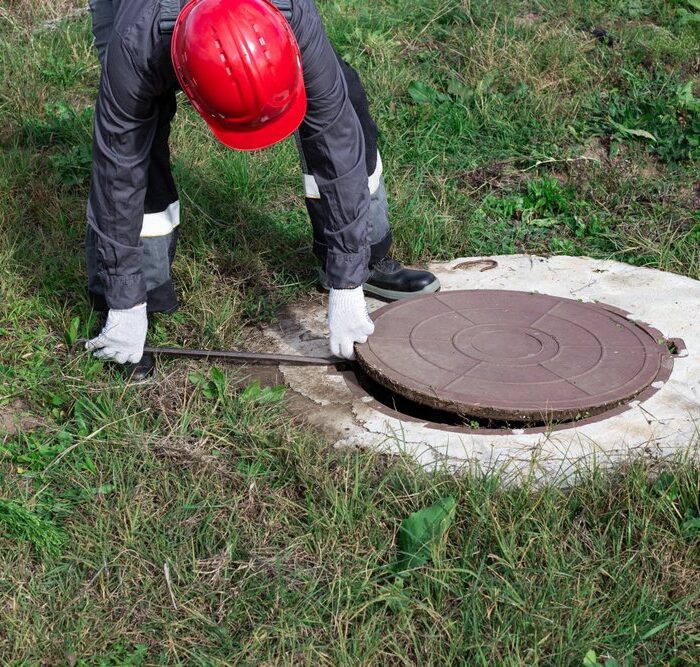
A comprehensive septic system inspection covers various components to assess overall functionality. Inspectors examine the septic tank for signs of cracks, leaks, or corrosion. They measure sludge and scum levels to determine if pumping is needed. Evaluating the tank's condition is essential for preventing system failures.
The distribution box and leach field are also critical areas of focus. Inspectors check for blockages or signs of saturation that could indicate drainage issues. Assessing these components ensures that wastewater is being properly dispersed and treated. Identifying problems in these areas helps maintain system efficiency.
Pipes and connections are inspected for wear, damage, or root intrusion. Ensuring the integrity of the piping system prevents leaks and backups. Inspectors may use cameras or other tools to assess hard-to-reach areas. Thorough evaluations of the piping network are crucial for system reliability.
Inspection may include testing effluent levels and checking for odors or surface pooling. Such indicators can reveal underlying issues with the system's operation. Identifying these signs early allows for prompt corrective actions. Comprehensive inspections provide a clear picture of the system's health.
Consequences of Neglecting Septic System Inspections
Failing to conduct regular septic system inspections can lead to severe consequences. Undetected issues may escalate into major system failures, requiring extensive and costly repairs. Homeowners may face expenses far exceeding the cost of routine maintenance. Proactive inspections are a cost-effective strategy for system longevity.
Environmental contamination is a significant risk associated with neglected septic systems. Leaking or overflowing systems can pollute groundwater and nearby water bodies, posing health risks to humans and wildlife. Regular inspections help prevent these environmental hazards.

Septic system failures can decrease property value, and prospective buyers may be deterred by the prospect of inheriting septic problems. Maintaining a well-functioning system enhances property appeal and marketability, and inspections play a vital role in preserving property value.
Legal and regulatory repercussions may arise from neglect of the septic system. Non-compliance with local health codes can result in fines or mandated repairs. Regular inspections ensure adherence to regulations and avoid legal issues. Staying compliant protects homeowners from potential liabilities.
Best Practices for Septic System Maintenance
In addition to regular inspections, homeowners should adopt best practices for septic system care. Conserving water reduces the load on the system, enhancing its efficiency. Installing water-saving fixtures and promptly fixing leaks contribute to system longevity. Mindful water usage is a key aspect of maintenance.
Proper waste disposal is crucial for septic system health. Avoid flushing non-biodegradable items or pouring grease down drains. Such materials can clog the system and disrupt its operation. Educating household members on appropriate disposal methods is beneficial.
Regularly pumping the septic tank is essential to remove accumulated solids. The frequency of pumping depends on tank size and household usage. Consulting with professionals helps determine an appropriate pumping schedule. Timely pumping prevents system overloads and failures.
Maintaining detailed records of inspections, pumping, and repairs aids in tracking system health. Such documentation is valuable for future maintenance planning and property transactions. Keeping organized records ensures continuity in system care. Effective record-keeping supports proactive maintenance strategies.
Know When You Need Septic System Inspections For Your Home
Regular septic system inspections are a fundamental aspect of responsible homeownership. They prevent costly repairs, protect the environment, and ensure the health and safety of residents. Adhering to recommended inspection schedules and maintenance practices prolongs the system’s life. Homeowners benefit from the peace of mind of a well-maintained septic system.
For homeowners in the greater Toledo, Ohio area seeking professional assistance with septic system inspections and maintenance, Yoder Brothers Lawn & Snow offers expert services tailored to your needs. Our experienced team is dedicated to ensuring your septic system operates efficiently and complies with all regulations. Contact us today to schedule an inspection and take the first step toward safeguarding your property and the environment.