

A well-defined Lawn edging can transform a messy patch of earth into a peaceful retreat, drawing the admiration of anyone who walks by. What techniques are you using to edge your lawn, and how do they compare to the beautiful gardens you admire? Let’s take your gardening skills to the next level.
Cultivating the Perfect Lawn Edging
Edging is the key element that can turn an average yard into a standout in the neighborhood. So, what does it take to create that impressive look? In this guide, we’ll dive into the art and science of lawn edging. We’ll cover various techniques, tools, and tips to help you craft a garden that draws admiration. Whether you’re an experienced gardener or just starting, get ready to enhance your skills and transform your outdoor space. Let’s get started!
Understanding Lawn Edging
Lawn edging plays a vital role in landscaping by defining the boundary between your lawn and garden beds. This clear separation enhances the visual appeal of your space and helps manage plant growth while preventing grass from encroaching into flower beds. A well-edged garden can elevate the overall look, giving your outdoor area a polished feel.
Materials for Edging
When selecting materials for lawn edging, it’s crucial to balance durability with visual appeal. Here are some popular choices:
- Stone: Natural stone offers a timeless aesthetic and integrates nicely with the surroundings. It's durable and withstands Ohio's diverse weather conditions.
- Metal: Materials like aluminum or steel provide a sleek, modern look with clean lines, resisting rust and corrosion.
- Natural Barriers: Organic materials, such as wood or bamboo, can introduce a rustic charm to your garden, although they may require more upkeep than stone or metal.
Each material has distinct advantages, allowing homeowners to pick options that best align with their garden’s style and needs.
Benefits of Native Plants
Adding native plants to your Ohio garden comes with a wealth of benefits. These species are well-suited to local soil, climate, and seasonal variations, which means they often need less maintenance and are more resilient to pests and diseases.
Examples of Native Plants
Consider these native plants for your garden:
- Purple Coneflower (Echinacea purpurea): A hardy perennial that flourishes in sunny spots and attracts pollinators.
- Black-eyed Susan (Rudbeckia hirta): This plant showcases vibrant yellow flowers and blooms from summer to fall.
- Ohio Spiderwort (Tradescantia ohiensis): A striking choice with blue flowers that brighten late spring.
In addition to enhancing the beauty of your garden, these native plants support local wildlife and promote biodiversity.
Techniques for Effective Lawn Edging
To create an attractive garden, using effective lawn edging techniques is key. Both traditional and contemporary methods can yield impressive results.
Physical Edging Methods
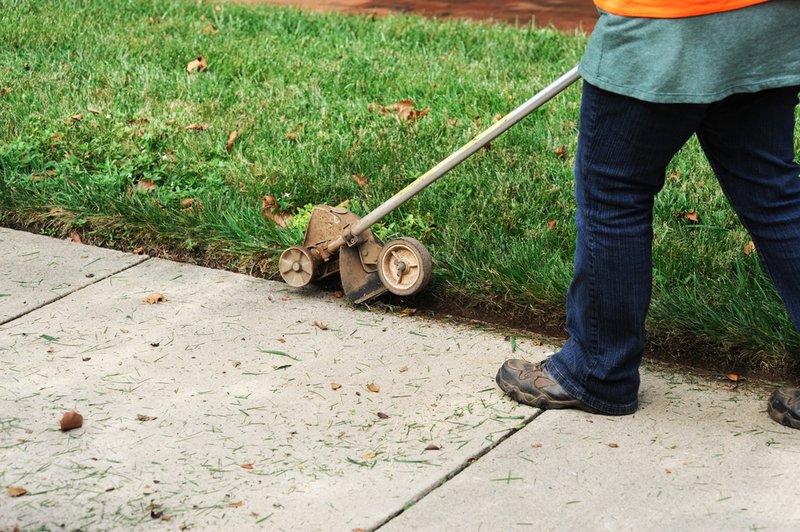
- Spade Edging: This classic method involves using a spade to carve out a clean edge around flower beds. The sharp line adds definition and can be shaped to fit your garden’s layout.
- Curved Borders: Choosing curves instead of straight lines softens the garden’s look, lending a more natural appearance.
These techniques not only enhance the overall aesthetic but also require minimal materials and can be done with basic gardening tools.
Modern Options
For those seeking easier installation, modern edging solutions, such as plastic or metal edging, are great options. They’re lightweight, easy tng
O shape, and demand less maintenance. Installation is typically straightforward; place the material in the ground and secure it, making it perfect for beginners.
Combination with Native Plantings
Integrating native plants with your chosen edging style helps create a unified and harmonious garden design. Keep these tips in mind for successful integration:
- Spacing: Space native plants appropriately based on their growth habits to promote healthy development and avoid overcrowding.
- Plant Selection: Select plants that complement each other in terms of height, color, and bloom time to ensure visual continuity throughout the seasons.
- Seasonal Considerations: Organize your garden layout with seasonal changes in mind to maintain visual interest throughout the year. For instance, select early bloomers for a colorful spring display alongside summer-blooming varieties.
By thoughtfully combining edging techniques with native plant selections, you can create a beautiful and sustainable garden that flourishes in Ohio’s climate.
Maintenance Tips for Long-Lasting Results
Keeping your garden’s edges and native plants well-maintained is essential for a neat appearance year-round. Regular maintenance tasks include:
- Trimming: Regularly trim back overgrown grass and plants to keep edges sharp and defined.
- Mulching: Applying mulch around native plants helps retain moisture, suppresses weeds, and enhances the garden's overall appearance.
- Seasonal Adjustments: Make adjustments based on the seasons, such as dividing perennials in spring or cutting back certain plants in the fall.
With consistent care, your garden can remain vibrant and inviting, showcasing the beauty of both effective edging and native plantings.
Elevate Your Garden Aesthetics
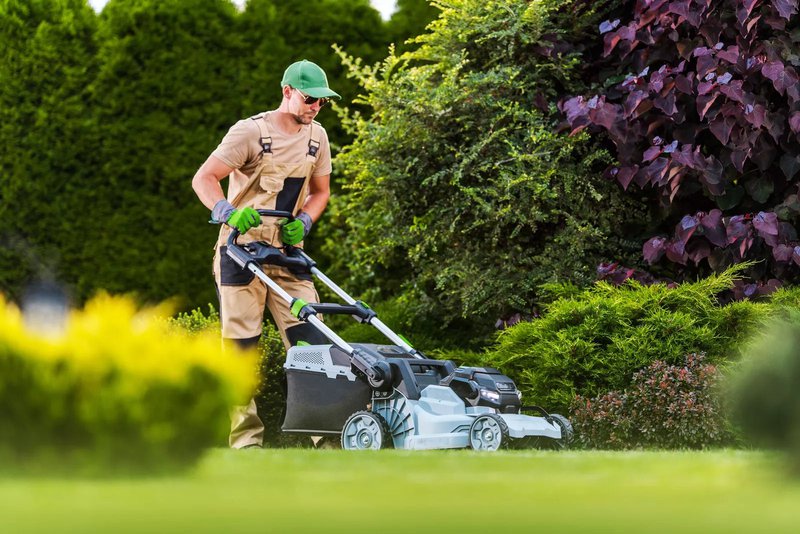
In gardening, lawn edging and native plants make for a powerful combination. By setting clear boundaries and selecting plants that thrive in Ohio’s climate, you’re not just enhancing your space; you’re also creating a welcoming habitat for local wildlife. A well-defined edge, paired with hardy native flora, can turn any garden from uninspired to stunning.
So, roll up your sleeves and get creative! Whether you choose traditional stone borders or sleek metal edging, the goal is to strike a balance between style and practicality. Explore the rich variety of Ohio’s native plants, and you’ll see your garden thrive with little effort. Embrace these strategies, and let your outdoor area showcase the beauty of nature while making a positive contribution to the environment. Happy gardening!
Transform Your Ohio Garden Today!
Ready to enhance your garden? Begin by adding effective edging and incorporating native plants for a beautiful transformation. Click here to find out more!