

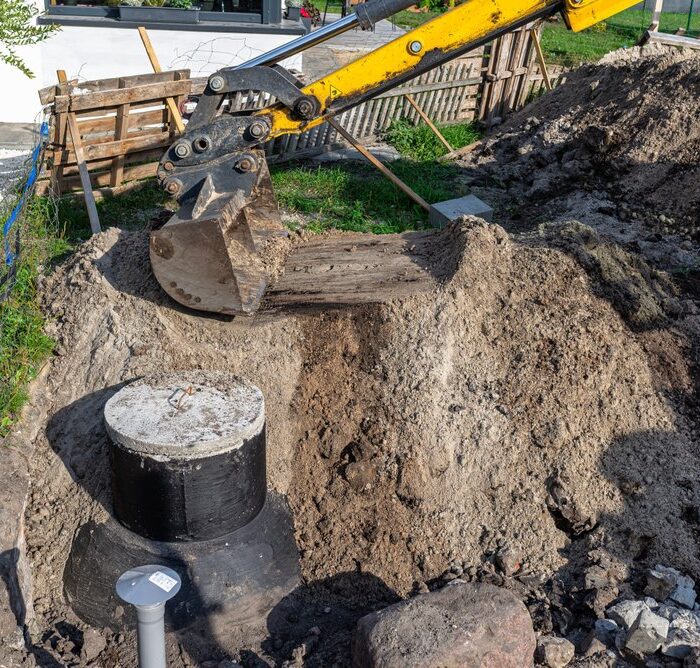
Septic systems are frequently overlooked, and assuming they only need attention during emergencies can result in serious problems. What if your perception of these essential waste management systems is not just inaccurate, but also puts your home and the environment at risk? It's crucial to challenge the misconceptions that could end up costing you more than you think.
The Unsung Importance of Septic Systems
Septic systems may not be the most visible aspect of home maintenance, but they are crucial to keeping everything running smoothly. Think of your home as a well-orchestrated symphony; without a dependable septic system, harmony quickly turns into discord. Many homeowners overlook these systems, only recalling their importance when something goes wrong, often when it’s too late. Ignoring them is like ignoring a ticking time bomb, with serious issues brewing just out of sight.
Let’s be honest: the world of septic systems can be confusing. There are numerous misconceptions about what maintenance truly entails and how to recognize when your system requires attention. This blog post aims to clarify the confusion, dispelling myths and highlighting the key practices that ensure your system—and your home—stay in good shape. Join us as we explore why these underground heroes deserve your attention and how to keep them functioning at their best!
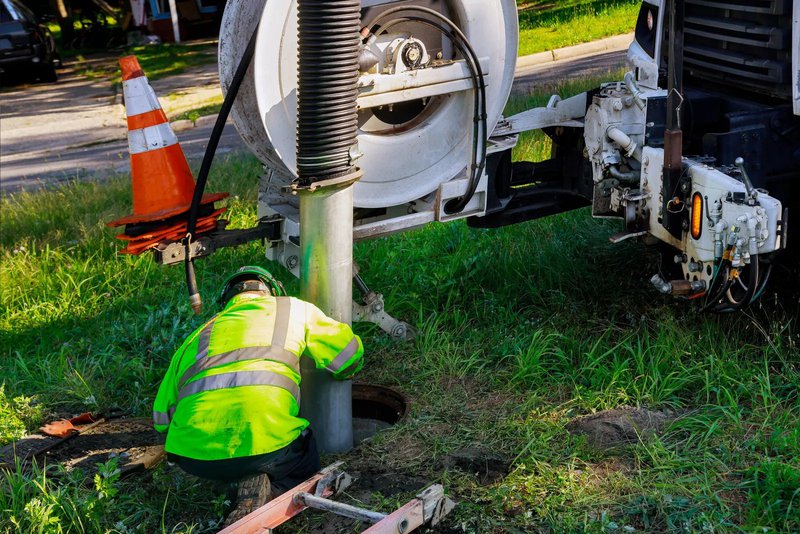
Debunking Common Myths About Septic Systems
Myth 1: Septic Systems Are Self-Sufficient and Require No Maintenance
One of the most widespread misconceptions about septic systems is the notion that they operate independently. Many homeowners believe that once a septic system is installed, it requires no further maintenance. This misconception can lead to serious issues, as regular maintenance is vital for ensuring the system's longevity and effectiveness.
Regular Maintenance is Essential:
- Pumping: Generally, septic tanks should be pumped every 3 to 5 years, depending on usage and tank size. Skipping this step can result in sludge buildup, leading to backups and expensive repairs.
- Inspections: Routine inspections are crucial for identifying potential issues before they escalate into major failures. Inspections can reveal leaks, tree root intrusions, or other problems that may not be immediately apparent.
Neglecting these maintenance tasks can lead to system failure, resulting in thousands of dollars in repairs and replacements. Moreover, a failing septic system can contaminate groundwater and local waterways, posing environmental hazards.
Myth 2: All Household Products Are Safe for Septic Systems
It’s a common misunderstanding that any household product can be used in a septic system without consequences. In reality, many common items can disrupt the delicate balance of bacteria needed to break down waste.
Harmful Household Items Include:
- Chemical Cleaners: Strong cleaners, such as bleach and ammonia, can kill the beneficial bacteria in the septic tank.
- Flushable Wipes: Although marketed as flushable, these wipes don’t break down easily and can lead to clogs.
Septic-Safe Alternatives:
- Use vinegar and baking soda for cleaning.
- Choose biodegradable soaps and detergents labeled as septic-safe.
By being mindful of the products you use, you can help maintain the health of your septic system.
Myth 3: You Can Flush Anything Labeled 'Biodegradable'
Another common mistake is assuming that if a product is labeled biodegradable, it’s safe for septic systems. This is misleading, as there’s a key difference between biodegradable and septic-safe.
Understanding the Difference:
- Biodegradable Products: Although these may break down over time, they can still create blockages in the tank or pipes before they do.
- Septic-Safe Products: These are designed to break down quickly and efficiently in a septic system.
Guidelines for Flushing:
- Acceptable: Human waste, toilet paper, and septic-safe products.
- Unacceptable: Food waste, feminine hygiene products, and any plastic items.
Knowing what can and cannot be flushed is crucial for maintaining the health of your septic system.
Myth 4: Septic Systems Are a Hassle and Not Environmentally Friendly
Many homeowners view septic systems as outdated and environmentally harmful. However, modern septic systems can be quite eco-friendly when properly maintained.
Benefits of Modern Septic Systems:
- Natural Filtration: Septic systems treat wastewater naturally, using soil to filter out impurities before returning clean water to the groundwater supply.
- Protecting Groundwater: When well-maintained, septic systems prevent contamination, safeguarding local water sources.
Compared to chemical treatments and municipal systems, functioning septic systems play a crucial role in environmental conservation.
Myth 5: You Can’t Plant Anything Over a Septic System
The belief that nothing can be planted over a septic system is another common myth that can detract from your yard's appearance. In reality, certain plants can benefit septic system health.
Suitable Landscaping Options:
- Grass and Ground Covers: These can help absorb excess water and prevent erosion over the drain field.
- Deep-Rooted Plants: While trees should be avoided due to invasive roots, shrubs can add beauty without interfering with the system.
Benefits of Proper Vegetation:
- Aesthetic Appeal: Thoughtful landscaping can enhance your yard's appearance.
- System Health: The right plants can help manage water runoff and prevent erosion.
By understanding what can be planted, homeowners can create a beautiful landscape while supporting the functionality of their septic systems.
Clearing up these myths about septic systems is vital for maintaining a healthy and efficient waste management system. Proper care and informed choices can save you from costly repairs and protect the environment.
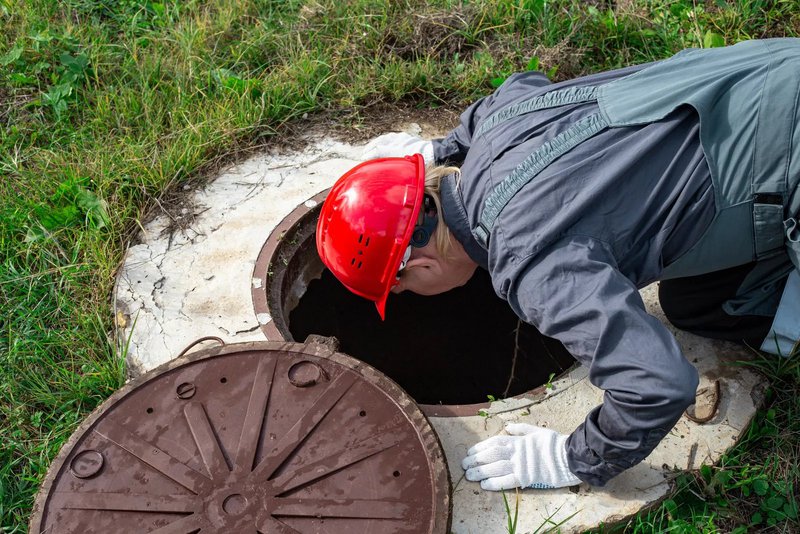
Wrapping It Up: The Truth About Septic Systems
Understanding septic systems is essential for every homeowner, especially if you’re not connected to a municipal sewer system. We’ve cleared up some common myths that could lead to expensive repairs and environmental issues. With regular maintenance, thoughtful product choices, and smart landscaping, your septic system can shift from a hidden concern to a dependable asset. Now it’s time for you to take action! Dive deeper into the subject, reach out to professionals when necessary, and feel free to share your experiences or questions in the comments below. Let’s create a community that supports each other in navigating septic care. Remember, keeping your septic system in good shape benefits not just your home—it’s also better for the planet!
Take Action for a Healthy Septic System
Don't wait for an expensive repair to take action. Learn how to care for your septic system and share your findings with others. Click here for more information!