


In lawn care, fall is more than just a change of season; it's a crucial time for preparation. By adopting thoughtful fall practices, you can strengthen your grass against the cold and pave the way for a lively resurgence in spring. Let’s look at the key steps that will turn your lawn into a thriving, green oasis.
The Fall Makeover: Your Lawn's Seasonal Spa Day
As the leaves turn golden and the air becomes crisp, many view fall as merely a precursor to winter. For lawn enthusiasts, though, it’s the perfect opportunity to roll up your sleeves and give your grass some much-needed attention. Think of it as a seasonal spa day; your lawn deserves some care to help it weather the harsh months ahead.
So, why is fall so important? It’s all about preparation. Just as we reach for cozy sweaters when the temperatures drop, your grass needs specific care to thrive in the colder months. By taking a few simple steps now, you’ll pave the way for a lush green comeback in the spring. Want to turn your lawn into the envy of the neighborhood? Let’s explore the essential steps you need to take!
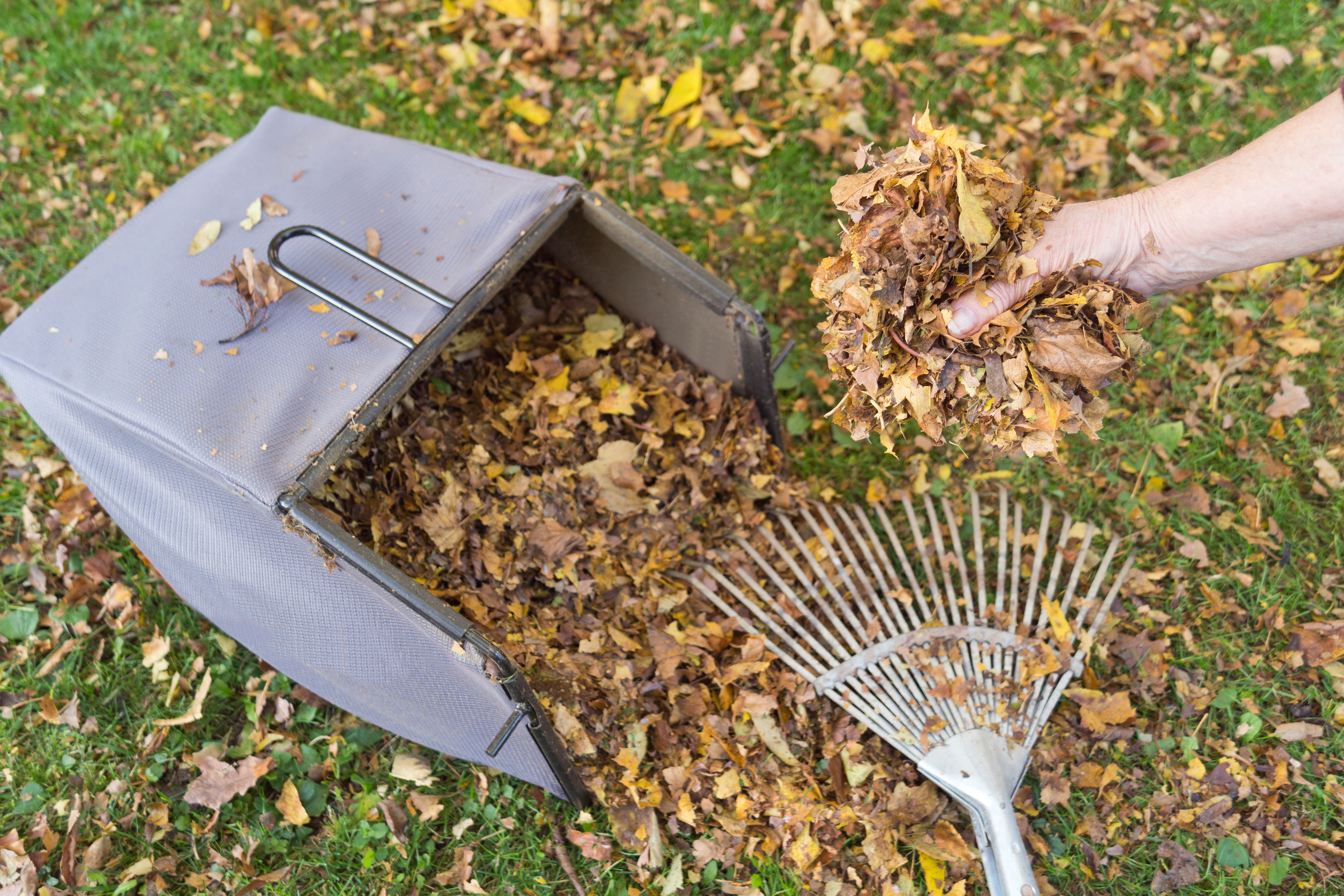
Lawn Preparation for Winter Challenges
Understanding Common Winter Threats
As temperatures drop, your lawn faces several key winter challenges. Snow mold and invasive pests are among the most common issues. Snow mold is a fungal disease that thrives under snow, especially in lawns that are too moist or poorly drained. To prevent snow mold, it's important to follow good lawn care practices during the fall. Keeping your grass healthy and well-fed can greatly reduce the risk of disease. Additionally, watch for pests like grubs and chinch bugs in the fall so you can tackle any infestations before winter arrives.
The Right Mowing Height
Before your lawn goes dormant for winter, cutting it to the right height is essential for its health. Grass that’s too short can experience stress and damage in cold weather, while grass that’s too tall can provide a breeding ground for pests and diseases.
Optimal Mowing Heights by Grass Type:
- Kentucky Bluegrass: 2.5 to 3 inches
- Tall Fescue: 3 to 4 inches
- Perennial Ryegrass: 2 to 3 inches
By sticking to these recommended heights, you’ll help your lawn endure winter and promote healthy growth when spring arrives.
Importance of Proper Irrigation Practices
As fall progresses, rainfall tends to decrease, making proper irrigation even more crucial. Keeping your lawn hydrated as winter approaches helps it withstand freezing temperatures. Aim for deep watering sessions instead of frequent shallow ones, as this encourages roots to grow deeper and better absorb nutrients and moisture.
Guidelines for Fall Irrigation:
- Water early in the morning to reduce evaporation.
- Aim for 1 to 1.5 inches of water each week, adjusting for rainfall.
- Reduce watering as temperatures drop, especially when nighttime temperatures consistently fall below freezing.
These irrigation practices will help your lawn transition smoothly into winter dormancy.
Essential Fall Lawn Preparation Practices
Aeration
Aerating your lawn is one of the best ways to relieve soil compaction, allowing air, water, and nutrients to reach the grassroots. Fall is the ideal time for aeration, as the soil is still warm, which encourages recovery and growth. You can use a spike or plug aerator, with the latter being more beneficial as it removes small cores of soil. After aeration, consider overseeding to fill bare spots and boost overall lawn density.
Overseeding
Overseeding enhances grass density and increases disease resistance, particularly for cool-season grasses such as Kentucky bluegrass and fescue, which thrive in Ohio's climate. By overseeding in the fall, you give new seeds a chance to germinate and establish themselves before winter, resulting in a thicker, more resilient lawn. This also helps crowd out weeds, giving your grass a better chance to thrive in the spring.
Fall Fertilization
Fertilizing in the fall is key to preparing your lawn for the winter ahead. Applying a nitrogen-rich fertilizer helps strengthen roots and boosts overall health. Focus on these key nutrients:
- Nitrogen: Supports growth and recovery.
- Phosphorus: Aids in root development.
- Potassium: Enhances winter hardiness and disease resistance.
By fertilizing in the fall, you make your lawn more resilient against winter’s challenges and set the stage for a robust spring.
Additional Lawn Preparation
Taking time in the fall to prepare your lawn is crucial for its winter resilience and spring success. Here are some extra steps to consider:
- Mulching Fallen Leaves: Instead of raking them away, mulch leaves to enrich the soil and nourish the grass.
- Creating a Lawn Care Calendar: Develop a calendar that includes essential fall preparation tips to ensure consistent care throughout the year.
By following these practices, you’ll not only protect your lawn during winter but also lay a strong foundation for vigorous growth when spring returns. The effort you put in now will pay off significantly in the months ahead.

The Secret to a Lush Lawn Awaits
Fall preparation is often overlooked in lawn care, but it’s crucial. Understanding your grass type and mastering practices like aeration and overseeding lays a strong foundation for your lawn. By focusing on soil health and protecting against winter challenges, you're not just taking care of your grass; you're setting the stage for a vibrant spring.
Now's the time to get to work. Create a lawn care calendar, manage those leaves with mulch, and enjoy the long-term benefits of your efforts. A little attention in the fall can turn your lawn into a lush oasis by spring. So, don’t just wish for a greener yard, make it a reality!
Take Action for a Thriving Lawn This Fall! Don’t wait for spring to enjoy a lush lawn; begin your fall preparations now! Use these tips today to ensure a vibrant green lawn for the future. Click here to get started!