

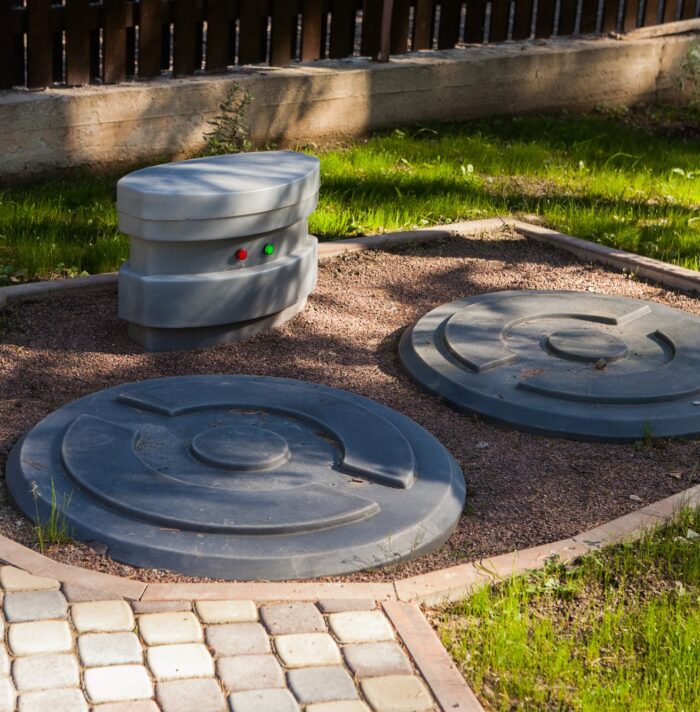
Homeowners often focus on visible aspects of property maintenance, such as landscaping, overlooking the crucial role of the septic system. A well-functioning septic system is essential for managing household wastewater efficiently and protecting the environment. Over time, systems can deteriorate, leading to inefficiencies and potential health hazards. Recognizing when upgrades are necessary, your septic system is vital for maintaining a safe and comfortable living environment.
Understanding the signs of septic system failure can prevent costly repairs and environmental damage. Indicators such as slow drains, unpleasant odors, and soggy areas in the yard suggest that the system may be compromised. Regular inspections and maintenance can extend the system's lifespan, but eventually, upgrades or replacements become necessary. Investing in a modern septic system ensures compliance with current regulations and enhances property value.
Recognizing the Signs of Septic System Failure
Identifying early warning signs of septic system issues can save homeowners from extensive damage and expenses. Slow-draining sinks and showers often indicate blockages or a full septic tank. Persistent odors emanating from drains or the yard suggest leaks or system overload. Gurgling noises in plumbing fixtures can be a symptom of improper venting or blockages within the system.

Unusual lush patches of grass over the drain field may signal effluent surfacing due to system failure. The presence of drain flies around sinks and drains often points to stagnant water and organic buildup. Pooling water or soggy soil near the septic tank area indicates possible leaks or overflows. These signs necessitate immediate attention to prevent further complications.
Ignoring these symptoms can lead to severe consequences, including groundwater contamination and structural damage to the property. Regular monitoring and prompt response to issues are essential for maintaining system integrity. Professional assessments can accurately diagnose problems and recommend appropriate solutions. Timely interventions ensure the longevity and efficiency of the septic system.
Benefits of Upgrades To Your Septic System
Modern septic system upgrades offer enhanced efficiency, reducing the risk of backups and overflows. Upgrades often include advanced treatment units that better process wastewater, protecting the environment. Improved systems can handle increased household usage, accommodating growing families or additional appliances. Enhanced designs also minimize maintenance requirements, leading to long-term cost savings.
Upgrading ensures compliance with evolving environmental regulations, avoiding potential fines and legal issues. Modern systems are designed to meet stricter standards for waste treatment and disposal. Compliance not only safeguards the environment but also enhances the property's marketability. Prospective buyers often prioritize homes with updated, efficient septic systems.
Investing in a new septic system can significantly increase property value. A reliable and efficient system is a strong selling point, offering potential buyers peace of mind. It also reflects the homeowner's commitment to maintenance and environmental responsibility. Thus, upgrades can yield substantial returns when selling the property.
Modern systems also improve home comfort by eliminating unpleasant odors and reducing the likelihood of system failures. They ensure a cleaner, healthier living environment for residents. Advanced technologies in new systems provide more consistent and reliable waste management.
When to Consider Septic System Upgrades
Several scenarios warrant considering a septic system upgrade. Home renovations that increase water usage may exceed the capacity of an existing system. Adding bathrooms or expanding living spaces can strain older systems, leading to inefficiencies. Upgrading ensures the system can handle the increased demand effectively.
Another critical factor is the age of the current system. Septic systems typically have a lifespan of 20 to 30 years, after which performance may decline. Older systems are more prone to failure and may not meet current environmental standards. Proactive replacement can prevent unexpected breakdowns and associated costs.
Frequent repairs and maintenance issues indicate that an upgrade may be more cost-effective in the long run. Repeated problems suggest underlying systemic issues that temporary fixes cannot resolve. Investing in a new system can eliminate ongoing repair expenses and provide reliable performance. It also reduces the risk of disruptive and costly emergencies.
Changes in household size, such as adding family members, can increase wastewater production beyond the system's capacity. Upgrading to a larger or more efficient system accommodates the increased load, preventing overflows and backups. It ensures the system operates effectively under the new household dynamics. Planning for such changes in advance allows for seamless transitions and uninterrupted service.
Recognizing Outdated System Risks
Timely septic system upgrades prevent nutrient overload and protect natural water systems from degradation. Effective treatment systems reduce environmental impact and help maintain ecological balance. When homeowners upgrade outdated systems responsibly, they play a critical role in local conservation efforts. Responsible waste management practices ensure clean waterways and help build sustainable communities for future generations.
Outdated systems may also release untreated waste into surface areas, increasing the risk of exposure to disease-causing organisms. When tanks or drain fields fail, children, pets, and even landscaping features can be exposed to harmful pathogens. A properly upgraded system eliminates these threats while maintaining the safety of surrounding property. Investing in upgrades protects both health and home aesthetics.
When outdated systems begin to leak wastewater, costly consequences emerge for homeowners. Soil contamination and foul odors often accompany these hidden failures, reducing property value and curb appeal. Preventing those problems with timely septic system upgrades allows families to protect their outdoor investments. Systems that function correctly also support long-term landscaping health and vitality.
Environmental regulations continue evolving to reflect modern conservation needs and public health protections. Older systems often lack the performance standards required to meet those regulations. Proactive upgrades avoid legal penalties and demonstrate environmental responsibility. Compliance also offers peace of mind, knowing your system protects local soil and water quality.
Time to Evaluate Your Septic Systems
Septic system upgrades help protect your home, health, and environment. If your current system shows signs of age or inefficiency, replacement may be the wise long-term investment. Routine inspection, timely maintenance, and modern upgrades contribute to a safer, healthier property. Contact Yoder Brothers today for a professional assessment and expert service to explore your upgrade options.