

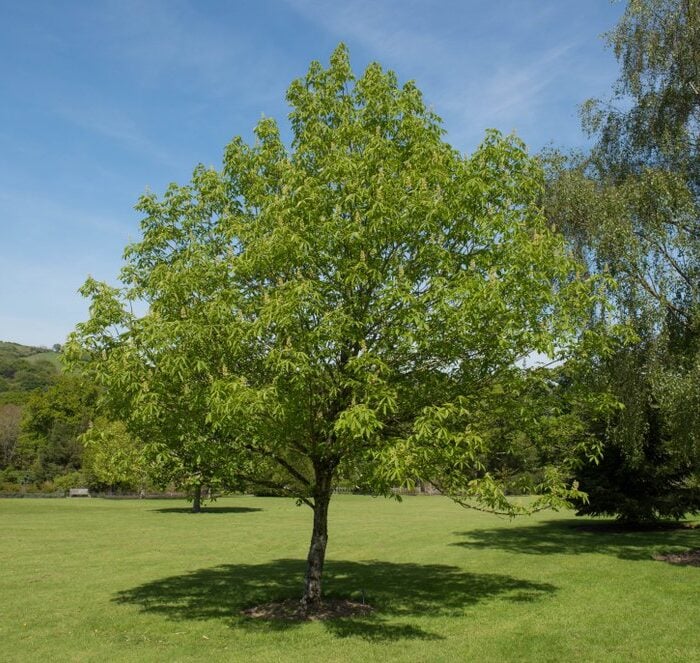
Tree planting in Ohio presents a unique opportunity to enhance landscapes, provide shade, and improve air quality. Understanding local climate conditions, soil types, and seasonal patterns ensures new trees thrive across seasons. Homeowners can create long-lasting outdoor assets when they plan and plant deliberately. Expert guidance helps navigate species selection, timing, and planting techniques to ensure successful establishment.
Proper preparation supports tree health and reduces maintenance efforts later. Considering factors like nearby hardscapes, utility lines, and future growth patterns keeps trees safe and compatible with existing infrastructure. Skilled application of planting and care techniques sets the stage for sustained growth and beauty. Thoughtful planning today yields resilient, flourishing trees for decades.
Selecting Suitable Species for Tree Planting in Ohio
Choosing the appropriate species is essential when planning tree planting in Ohio landscapes. Native trees such as red maple, white oak, and honey locust offer strong adaptability to local soil and weather. These species often resist pests and diseases better than non-native plantings, reducing long-term care needs. Selecting trees with suitable mature size ensures they fit well within property and overhead space.
Trees that complement both residential and commercial environments enhance functionality while supporting biodiversity. Flowering options like serviceberry or crabapple introduce seasonal color without compromising structural integrity. Shade-providing species such as tulip poplar support energy efficiency and cooling benefits. Integrating both ornamental and functional varieties enhances visual appeal and ecosystem value.
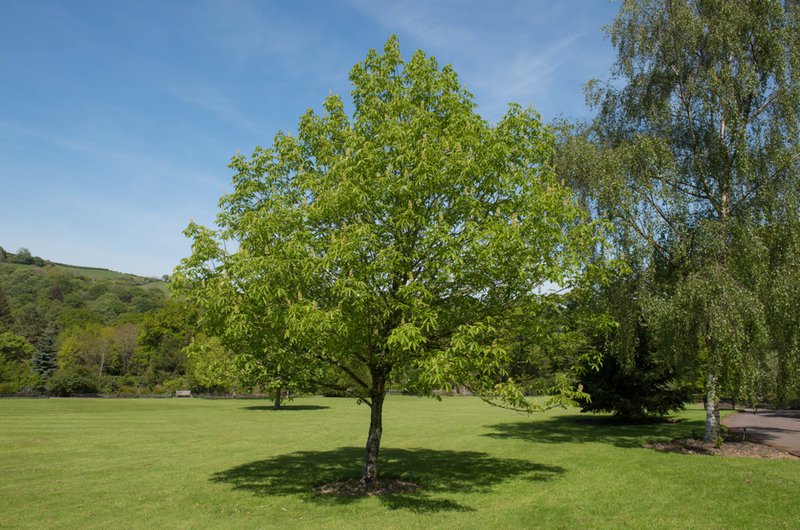
Growth habits matter when considering maturity in urban and suburban settings. Columnar or narrow species suit tight spaces between driveways or walkways. Broad-canopied species deliver ample shade and focal points in open areas. Matching tree form to landscape context avoids conflicts with buildings, utility lines, or pathways as the tree matures.
Soil pH and moisture tolerances vary significantly between species. Flood-tolerant trees like swamp white oak perform well near retention areas or low spots. Drought-resistant varieties like eastern redbud survive in well-drained soils with less supplemental irrigation. Matching tree planting in Ohio to specific site conditions ensures long-term performance and reduces maintenance.
Timing and Seasonal Considerations for Tree Planting in Ohio
Timing plays a critical role in the success of tree planting in Ohio. Spring and fall offer ideal planting windows when soil is workable and stress on new trees is minimal. Fall planting allows root systems to establish before freezing, preparing for vigorous spring growth. Spring planting takes advantage of natural seasonal moisture to help young trees recover from transplant shock.
Winter planting may be feasible with dormant trees and proper mulch protection, providing conditions remain above freezing during planting. Summer plantings require diligent watering and heat protection until the roots take hold. Mulching conserves soil moisture and regulates temperature across seasons. Seasonal planning ensures young trees receive the best start in Ohio’s variable climate.
Site preparation should account for seasonal weather patterns. Grading or installing drainage prior to planting avoids waterlogging during spring thaws. Soil amendments like compost integration are most effective when worked into the ground before planting. Aligning tree planting in Ohio with seasonal maintenance routines ensures seamless integration into landscape operations.
Long-term planning includes consideration of seasonal growth patterns. Deciduous trees offer vibrant spring and fall color, while evergreens provide year-round structure and shelter. Understanding how species display across seasons enhances aesthetic and functional design. Planting at the right time maximizes both health and visual appeal.
Planting Techniques to Ensure Healthy Establishment
Proper planting techniques are essential for successful tree planting in Ohio environments. Digging a hole as deep and twice as wide as the root ball ensures roots can expand easily. Avoid adding heavy soil amendments that may disrupt drainage or root growth patterns. Placing the root flare slightly above soil level prevents rot and encourages proper root development.
Staking is advisable only for times when support is necessary, such as planting on slopes or in high-wind areas. Using breathable materials like canvas ties prevents bark damage and allows gentle movement for root strengthening. Removing stakes after root stability develops avoids girdling. Careful support helps young trees withstand environmental stress without restricting growth.
Watering immediately after planting ensures soil settles around roots and eliminates air pockets. A slow, deep soak encourages roots to access moisture deeper in the soil. Drought periods require consistent irrigation, particularly during the first two growing seasons. Establishing a watering schedule is vital to support tree planting in Ohio’s variable summer heat.
Applying mulch in a doughnut shape around the base conserves moisture and suppresses weeds without contacting the trunk. Organic mulch gradually improves soil structure as it decomposes. Regular renewal of mulch layers prevents compaction and maintains optimal insulation. Thoughtful mulching supports root development and protects young trees from temperature extremes.
Long-Term Tree Care After Planting
Ongoing maintenance plays a vital role in ensuring trees thrive after planting. Regular inspections help identify potential signs of stress such as pests, disease, or nutrient deficiencies. Early intervention maintains tree vigor and prevents small issues from escalating. A proactive maintenance plan ensures the investment continues to flourish.
Fertilization is rarely necessary for newly planted trees unless soil tests reveal deficiencies. Over-fertilization can promote weak, excessive top growth at the expense of root development. Mulch additions and root stimulator treatments can naturally enhance nutrient uptake. Allowing time for root establishment should guide any fertilization decisions.
Pruning young trees helps develop strong structure and prevents future problems. Removing crossing or weak branches early supports healthy form and reduces breakage risk. Proper pruning also improves air circulation and sunlight penetration within the canopy. Maintenance pruning sets the foundation for long-lasting, structurally sound trees.
Monitoring surrounding turf and landscaping interacts with tree roots is essential. Grass and turf compete with young trees for water and nutrients. Creating mulch rings or planting shade-tolerant ground covers helps reduce competition. Integrating lawn care and tree care practices supports overall landscape health.
Landscape Integration and Environmental Benefits
Integrating trees into Ohio landscapes offers long-lasting aesthetic and environmental rewards. Strategically placed trees improve home energy efficiency, reduce air pollution, and enhance wildlife habitat. Planting in key locations such as near buildings, driveways, or patios provides shade and visual structure. Planning tree placement enhances both function and enjoyment.
Natural features like swales and slopes can be complemented with native tree plantings to stabilize soil and support drainage. Deep-rooted species help anchor slopes and reduce erosion while adding visual interest. Combining erosion control with tree planting in Ohio provides both stability and beauty. Functional and ecological benefits merge with thoughtful design.
Tree canopy contributes to reduced stormwater runoff and improved water quality. Leaves intercept rainfall, while roots promote infiltration beneath. Proper tree selection and placement support sustainable water management and reduce pressure on drainage systems. These environmental services benefit both homeowners and communities.
Creating shade and vertical interest improves outdoor usability and curb appeal. Trees influence how people enjoy gardens, pathways, and seating areas. A well-designed planting enhances comfort and guides movement through outdoor spaces. Thoughtful integration elevates the landscape’s visual and functional value.
Expert Support for Tree Planting in Ohio
Choosing the right trees and planting them at the right time lays the foundation for beautiful, resilient landscapes in Ohio. Proper species selection, planting techniques, and ongoing care combine to ensure long-lasting success. Natural benefits such as improved air quality, energy savings, and enhanced wildlife habitat emerge over time. Thoughtful implementation pays dividends throughout the life of the landscape.
For professional assistance in tree planting in Ohio—from planning and site preparation to planting and long-term care—reach out for expert help. Skilled teams use equipment and experience to ensure optimal placement, soil health, and establishment. Contact Yoder Brothers today for a free estimate and let your landscape flourish with healthy, well-placed trees.